European Olympiad of Experimental Science
May 1 – May 7, 2026
LUND – Sweden
Excursion
ESS
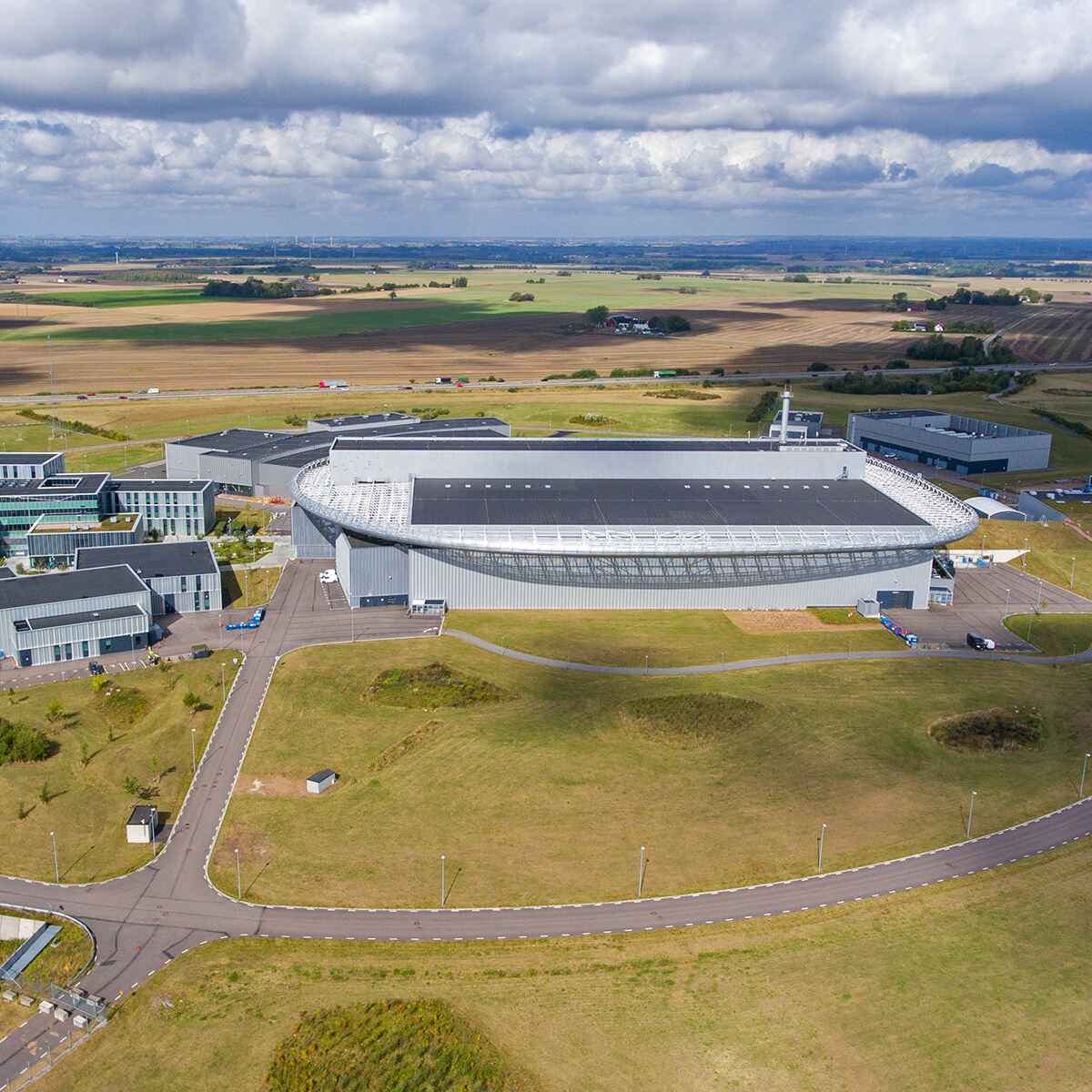
The European Spallation Source (ESS) is a European Research Infrastructure Consortium (ERIC), a multi-disciplinary research facility based on the world’s most powerful neutron source. The facility’s unique capabilities will both greatly exceed and complement those of today’s leading neutron sources, enabling new opportunities for researchers across the spectrum of scientific discovery, including materials and life sciences, energy, environmental technology, cultural heritage and fundamental physics.
A neutron source and its instruments enable scientists to see and understand basic atomic structures and forces. It can be compared to a giant microscope for the study of different materials — from plastics and pharmaceuticals, to engines, proteins, molecules and nanotechnology. ESS is a significant step forward in the science of everyday life.
The European Spallation Source is one of the largest science and technology infrastructure projects being built today. The facility design and construction include the most powerful linear proton accelerator ever built, a five-tonne, helium-cooled tungsten target wheel, 15 state-of-the-art neutron instruments, a suite of laboratories, and a supercomputing data management and software development centre. In the context of its history and future as a scientific organisation, however, it is more than the sum of its parts. It is a brand-new Big Science organisation, built from the ground up.
Europe’s need for an advanced, high-power neutron spallation source was articulated many years ago. The European Spallation Source is a pan-European project with 13 European nations as members, including the host nations Sweden and Denmark. The ESS facility is under construction in Lund, while the ESS Data Management and Scientific Computing centre (DMSC) is located in Copenhagen. Around two to three thousand guest researchers will carry out experiments at ESS each year. Most of the users will be based at European universities and institutes, others within industry.
The vision is to build and operate the world’s most powerful accelerator-based neutron source, enabling scientific breakthroughs in research related to materials, energy, health and the environment, and addressing some of the most important societal challenges of our time.
For more information, please refer to https://ess.eu/
Max IV
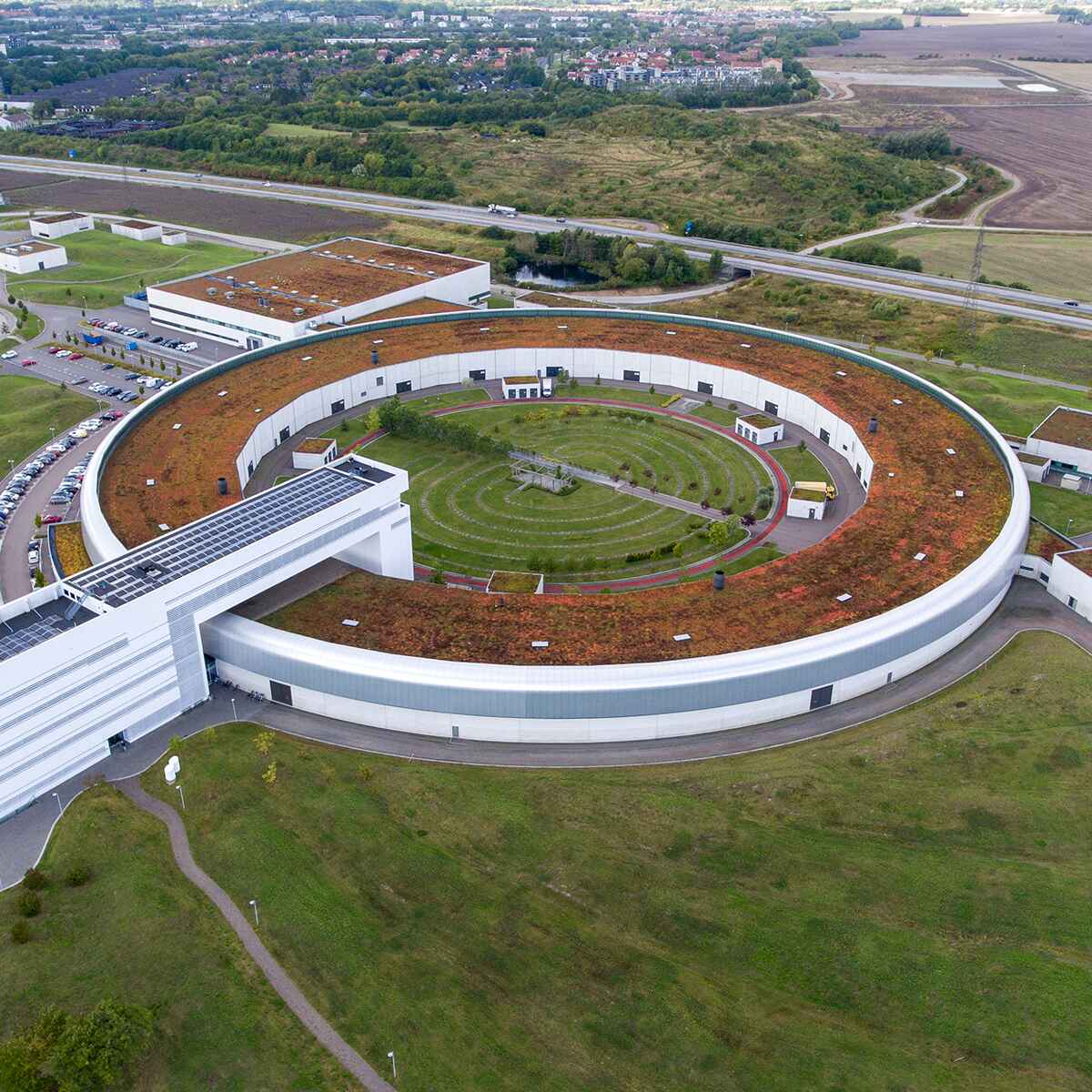
MAX IV Laboratory is a Swedish national synchrotron laboratory that has operated as a user facility since 2016. It is the successor to MAX-lab, which was in operation between 1987 and 2015. MAX IV offers access to 16 beamlines that provide modern X-ray spectroscopy, scattering/diffraction, and imaging techniques to contribute to solving scientific questions in a wide range of areas. MAX IV employs more than 300 people.
MAX IV welcomes 1700+ users annually, expected to double in the coming years. The beamlines are open to academia, research institutes, industry, and government agencies worldwide through the user access programmes.
The X-ray light at MAX IV is produced by an accelerator complex comprising a linear accelerator as well as 1.5 GeV and a 3 GeV storage ring for electrons. MAX IV is the first worldwide realisation of a fourth-generation light source, which has opened opportunities to develop experimental techniques based on outstanding brightness and coherence.
For more information: https://www.maxiv.lu.se/
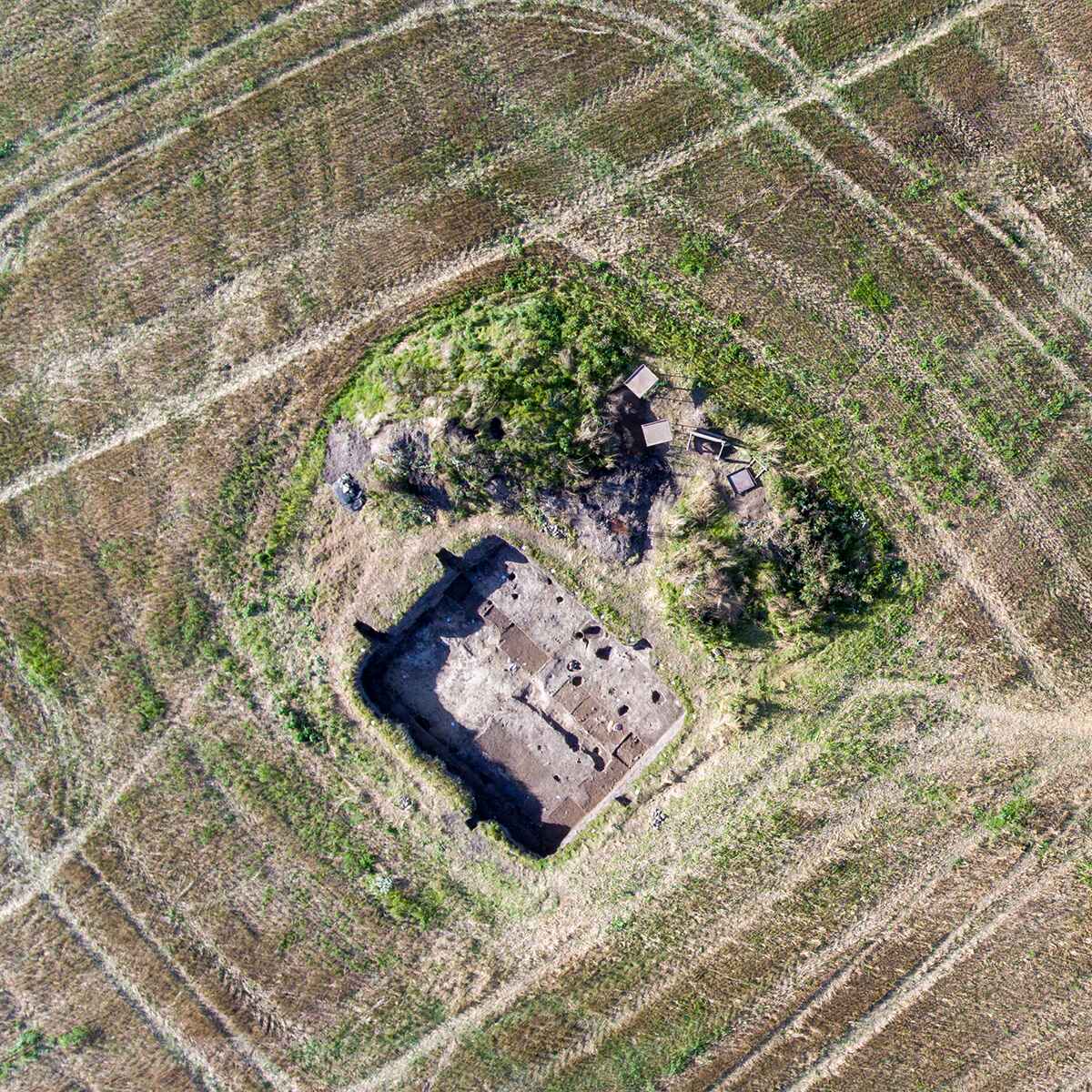
Uppåkra Archaeological Centre
Just outside Lund, beneath the farmland in Staffanstorp in Skåne lies an unwritten history just waiting to be told. One of the largest Iron Age settlements in Scandinaviacan be found underneath the ground at Uppåkra. The ancient remains are today one of Sweden’s largest ancient remains areas, covering an area of over 40 hectares. This makes Uppåkra one of the longest-lasting settlements in northern Europe during the Iron Age. Through archaeological excavations, we can now confirm that Uppåkra was a centre of power for politics, religion and trade for over a thousand years during our Iron Age. In addition, we know that people have been here earlier in our history, during both the Stone Age and the Bronze Age. Today, only 0.2 percent of Uppåkra has been excavated, but countless new discoveries await beneath the surface.
Since 2009, the Uppåkra Archaeological Centre Foundation has been operating at the site. They are tasked with conveying the Uppåkra archaeological site to both the public and the research community in various ways. In Uppåkra there is a Visitor Centre with exhibitions, a museum shop and an Archaeology Centre where visitors can participate in public archaeological excavations and take part in guided tours.
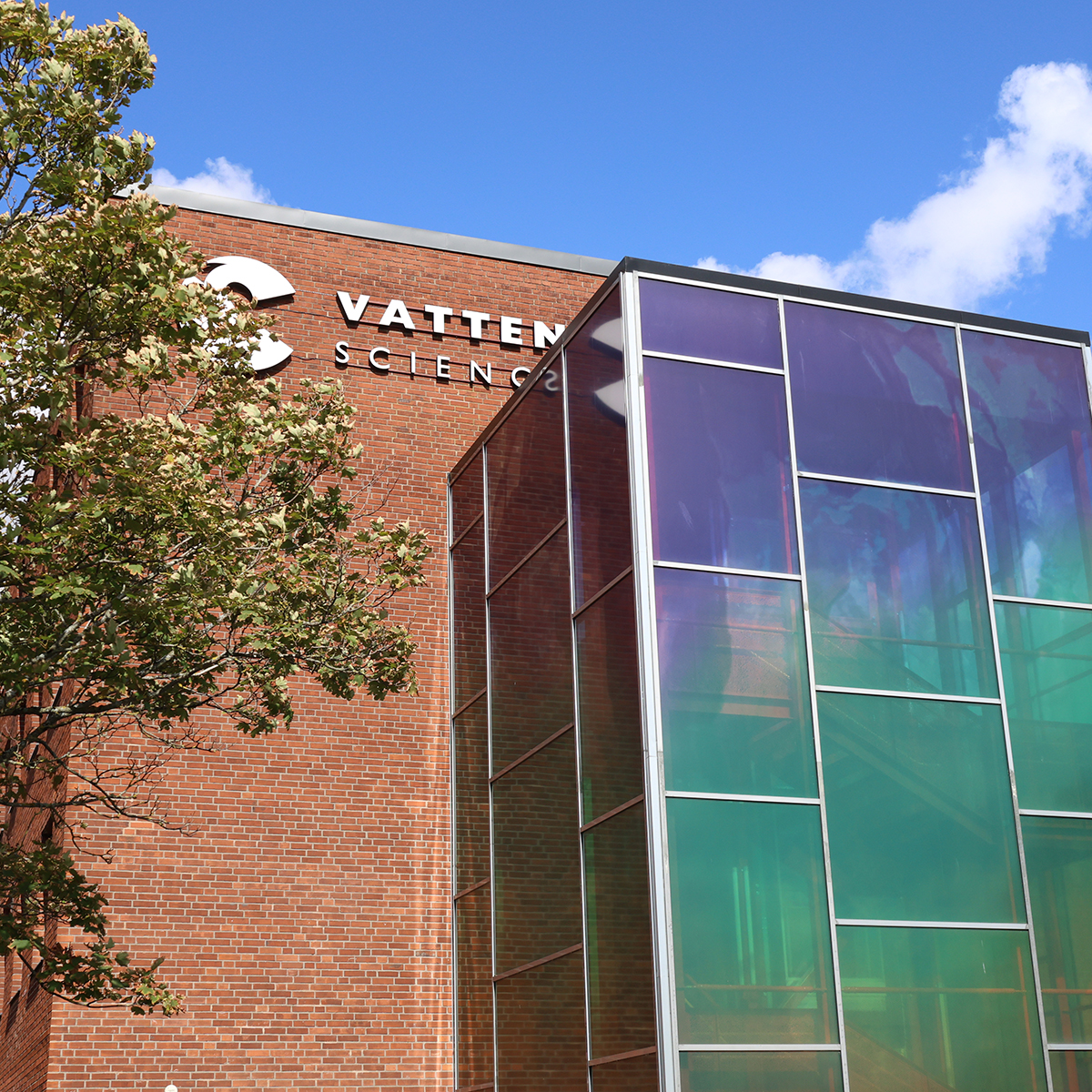
Vattenhallen Science Centre
Vattenhallen Science Centre opened in September 2009. They have, during a normal year, about 45,000 visitors from all over the region. Every day, 150 school students come to experience science, and during the spring- and autumn semesters they take on students from secondary schools to do their internship (praktik) or work study programs (prao) in Vattenhallen. Their visitors during weekdays range from school groups to company events and training. They also take bookings for a variety of different events and celebrations. Vattenhallen is open to the public on weekends and school holidays, and they welcome everyone to try out their interactive experiments, attend a show or see an exhibition.
Vattenhallen is a science centre at University of Lund. Departments at the University and local businesses have contributed their expertise and knowledge in the development of new experiments. Many teachers and researchers have also been active in meetings with schoolchildren and other visitors to Vattenhallen, which has helped them achieve their aim of being a meeting place for the university, schools, industry, regions and the wider public. They offer technical experiences and scientific phenomena with a direct link to the research community and private industry.
Vattenhallen is a regional resource for technology and science education. The experiments and exhibitions are included in all educational programs at school, offering inspirational classes to schoolchildren as well as the general public. All experiments and classes are designed so that adults and children can participate and learn together. Workshops for families, children and teenagers are held every semester, and they also provide teacher training in relevant subjects for elementary schools. Groups can book a show in the planetarium and during weekends & holidays there are at least two astronomy shows every day. Astronomers from the Lund Observatory run the shows, so you can use the opportunity to ask all the questions you have been wondering about!
Malmö
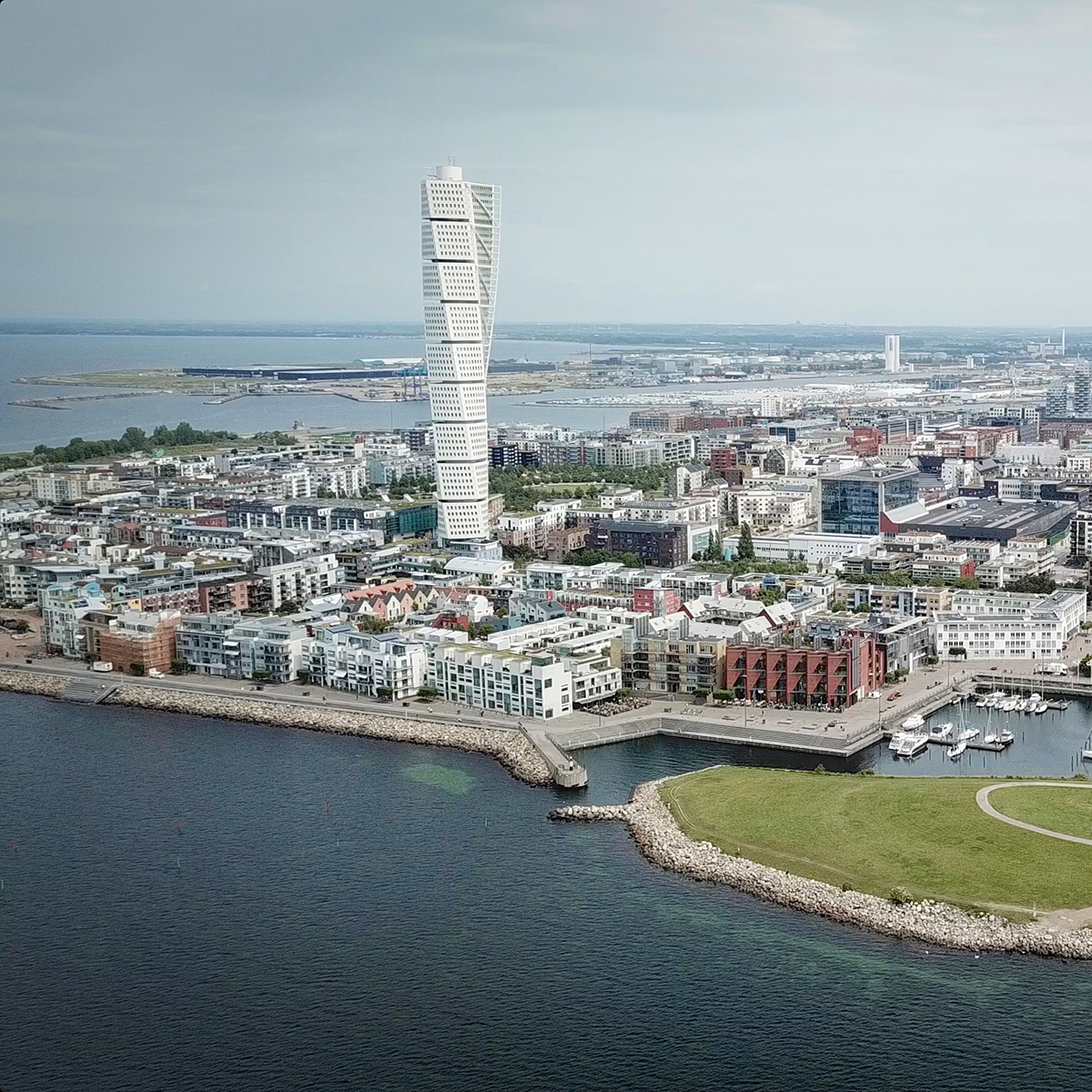
Just 15 minutes by train from Lund, you will find Malmö, the third largest city in Sweden. Situated by the Öresund strait, across the water from Denmark and Copenhagen, Malmö has a history strongly shaped by maritime trade and commerce. Historically known as a city of heavy industry, Malmö has in recent decades redefined itself as a modern, innovative and international city, with major investments in urban development, sustainability and higher education.
During the excursion, you will get to experience Malmö’s coastline, where historical buildings stand alongside modern architecture, and see the Öresund Bridge from a new perspective. We will also visit Malmö Museum, where the history of the city and its technological development are presented through exhibitions and collections. For those not afraid of tight spaces, there will even be an opportunity to step inside a real submarine.